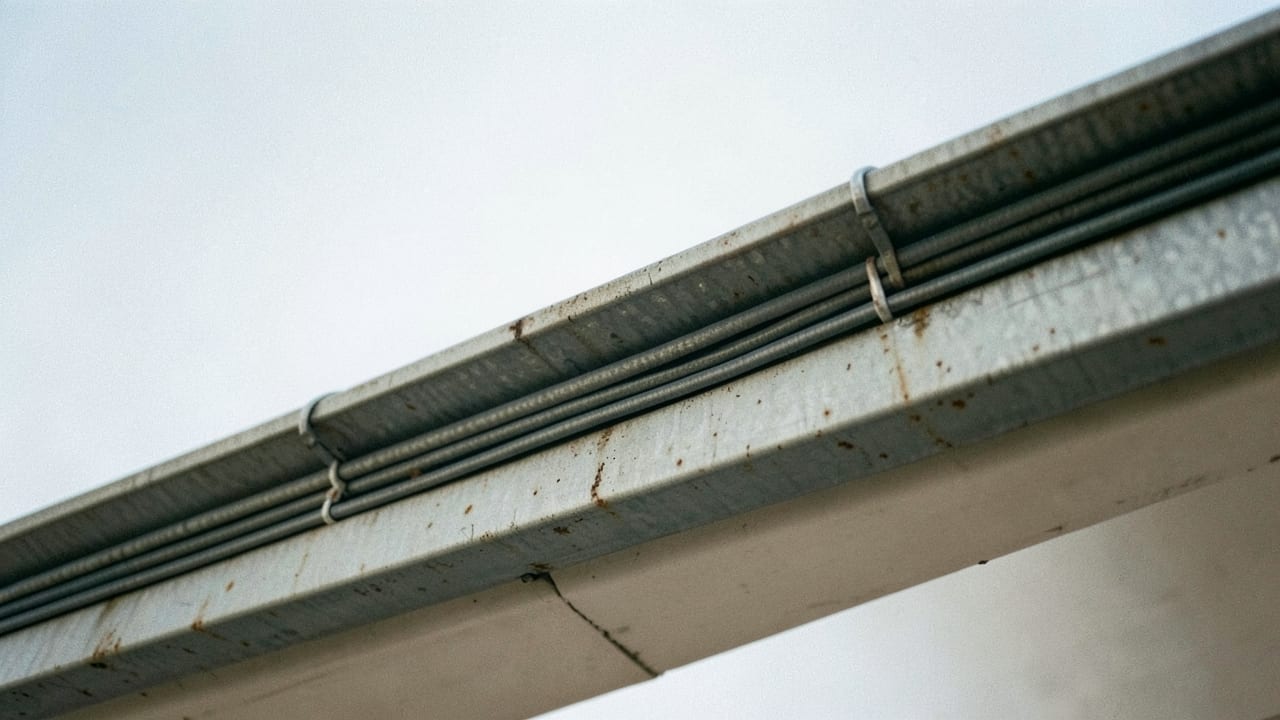
Gutter Heating System Installation
Installation of heating systems in gutters to prevent ice dams and clogging.
Clayton, NC’s cold winters can turn gutters into ice dams, causing blockages, water damage, and roof leaks. A **gutter heating system installation** prevents these issues by embedding electric heat cables or mats into gutters and downspouts. This proactive solution keeps water flowing freely, even in freezing temperatures, protecting your home’s foundation and roof structure from costly ice-related damage.
Why Clayton homes need gutter heating systems
Clayton’s winters bring heavy rain, snow, and freezing temperatures—ideal conditions for ice dams to form in gutters. When water refreezes, it expands, blocking drainage and forcing meltwater under shingles, leading to leaks, mold, and structural damage. A gutter heating system prevents this by maintaining a consistent temperature along the gutter’s length, ensuring water flows smoothly into downspouts.
We also handle Patio Gutter Downspout Alignment and Overflowing Gutter Water Diversion for Clayton properties.
Unlike traditional gutter cleaning, which only removes debris, heating systems address the root cause: ice buildup. This is especially critical for homes with metal gutters, which are prone to rust and sagging under ice weight. Installing a heating system now can save thousands in future repairs from water damage or roof replacement.
Signs Your Gutters Need a Heating System
- Ice dams forming along the roof edge after a freeze-thaw cycle, causing water to back up under shingles.
- Gutters sagging or pulling away from the fascia due to the weight of accumulated ice or snow.
- Visible rust holes or soft spots in metal gutters, indicating long-term damage from standing water.
- Downspouts overflowing at the top during light rain or snowmelt, signaling blockages from ice buildup.
- Water stains or peeling paint on exterior walls, suggesting leaks from ice-damaged gutters.
How gutter heating systems work in your home
Gutter heating systems use low-voltage electric cables or heating mats installed along the gutter’s length and downspouts. These components warm the surface just enough to prevent ice formation while remaining energy-efficient. The system is controlled by a thermostat, typically set to activate during freezing temperatures, ensuring it only runs when needed.
The installation process integrates seamlessly with your existing gutter setup. Heat cables are secured under the gutter lining or embedded in a protective mat, while downspouts are fitted with insulated sections. This design ensures even heat distribution, eliminating cold spots where ice could still form. The system is also weatherproof, built to withstand Clayton’s rain, snow, and humidity.
| Component | Function | Installation Notes |
|---|---|---|
| Electric Heat Cables | Emits low-level heat to prevent ice buildup along gutters and downspouts | Installed under gutter lining or within protective channels; spaced 12–24 inches apart for even coverage |
| Heating Mats | Provides broader heat distribution for larger gutter sections | Cut to fit gutter length; secured with gutter-specific adhesive or fasteners |
| Thermostat Control | Activates/deactivates system based on outdoor temperature | Typically set between 28–32°F to balance energy use and ice prevention |
| Insulated Downspout Sections | Prevents ice blockages in vertical drains | Fitted with heat-resistant insulation to maintain water flow |
What affects installation cost and timeline?
The cost of installing a gutter heating system in Clayton depends on factors like the length of your gutter run, the number of downspouts, and whether your gutters are aluminum, vinyl, or steel. Multi-story homes or those with steep roofs may require additional labor or materials, increasing the total price. Labor costs also vary based on accessibility—gutters on second stories or with intricate designs take longer to install.
Timing matters too. Winter installations are less common due to weather delays, while fall or early winter allows for testing the system before the first freeze. A professional inspection before installation ensures your gutters are structurally sound, avoiding costly repairs mid-project. Always ask for a detailed quote upfront, including debris removal and any necessary repairs.
How gutter heating system installation works
Installing a gutter heating system involves inspecting your gutters, measuring for components, and securing heat elements for optimal ice prevention.
- 1Inspect Existing Gutters
The technician examines your gutter system for pitch, hanger spacing, and fascia condition. Any damaged sections or loose hangers are noted, as these must be repaired before installation to ensure the heating system adheres properly and functions correctly.
- 2Measure and Plan Layout
The length of your gutters and downspouts is measured to determine the amount of heat cable or mat needed. Corners, seams, and downspout connections are mapped to ensure full coverage, with extra material added for overlaps or complex angles.
- 3Install Heat Cables or Mats
Heat cables are secured under the gutter lining or within protective channels, spaced evenly (typically 12–24 inches apart). For larger sections, heating mats are cut to fit and adhered to the gutter’s underside, ensuring no gaps where ice could form.
- 4Connect Downspouts and Test
Insulated sections are fitted into downspouts to prevent ice blockages. The system is then connected to a thermostat, and a water flow test is conducted to confirm proper drainage and heat distribution before the site is cleared.
- 5Final Inspection and Safety Check
The technician verifies all connections are secure, the thermostat is set correctly, and the system is weatherproof. They also ensure no damage was done during installation, addressing any issues before leaving the property.
Frequently asked questions
Will a gutter heating system work with my existing gutters?
Yes, gutter heating systems are designed to integrate with most types of gutters, including aluminum, vinyl, and steel. However, your gutters must be structurally sound—any rusted sections, loose hangers, or improper pitch should be repaired first. A professional inspection before installation ensures compatibility and longevity.
How much electricity does a gutter heating system use?
Gutter heating systems are highly energy-efficient, using as little as 10–15 watts per linear foot of gutter. Since they only activate during freezing temperatures (controlled by a thermostat), monthly energy costs are minimal—typically under $10 for most Clayton homes—making them a cost-effective long-term solution.
Can I install a gutter heating system myself, or do I need a professional?
While DIY kits exist, professional installation is recommended to ensure proper spacing, secure connections, and integration with your home’s electrical system. Incorrect installation can lead to uneven heating, ice buildup, or even electrical hazards. A licensed technician also handles permits and inspections if required by local codes.
How long does a gutter heating system last?
High-quality gutter heating systems last 10–20 years, depending on the materials and maintenance. Heat cables and mats are durable but may need replacement if physically damaged (e.g., by falling branches). Regular inspections after severe storms or winters help catch issues early, extending the system’s lifespan.
Where Clayton sits, and what the Census lists nearby
Clayton sits in North Carolina, and the closest places listed in the U.S. Census Gazetteer are Archer Lodge (4.6 miles east), Wilson's Mills (6.8 miles southeast), Wendell (8.9 miles northeast), Knightdale (9.7 miles north). Within 25 miles of Clayton the same source lists 29 distinct incorporated places and census-designated places. Those figures matter for gutter heating system installation because they are straight-line distances between Census coordinate points: road mileage between Clayton and Archer Lodge runs longer than the 4.6 miles shown, which is why quotes for the same job differ between towns that look close together on a map. Source: U.S. Census Bureau Gazetteer.
See Selma, NC for more, or browse what we cover for Clayton properties in one place for our complete lineup.
Ready to get started?
Talk to a local gutter cleaning pro in Clayton — get a written quote.
Other Gutter Cleaning Services in Clayton
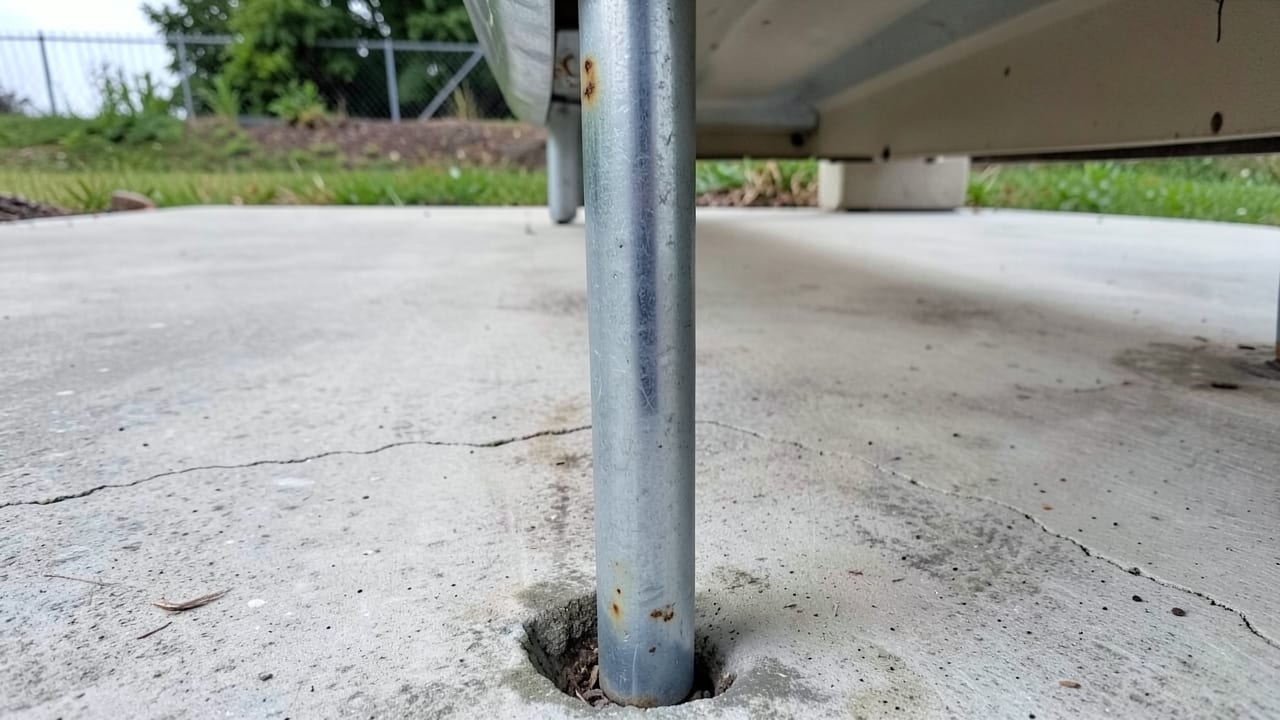
Patio Gutter Downspout Alignment in Clayton, NC
Adjusting patio gutter downspouts to ensure proper drainage and alignment.
Learn More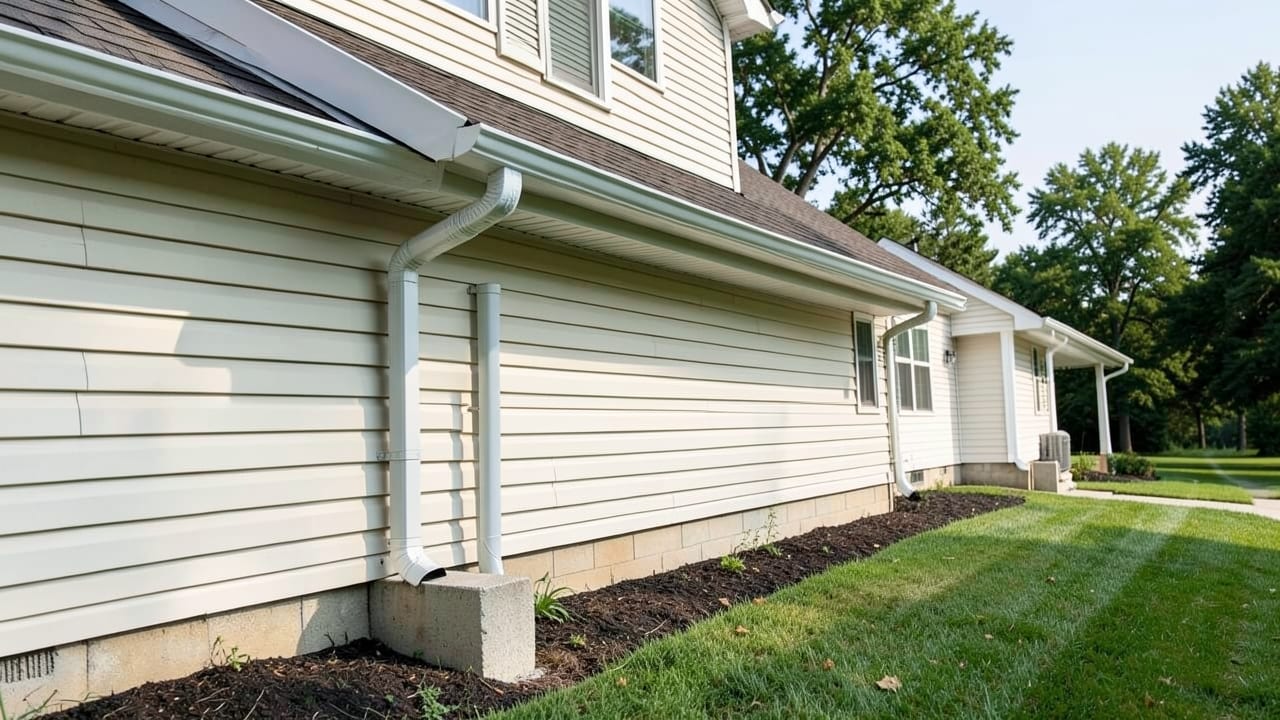
Overflowing Gutter Water Diversion in Clayton, NC
Redirecting excess gutter water to prevent damage and erosion around the home.
Learn More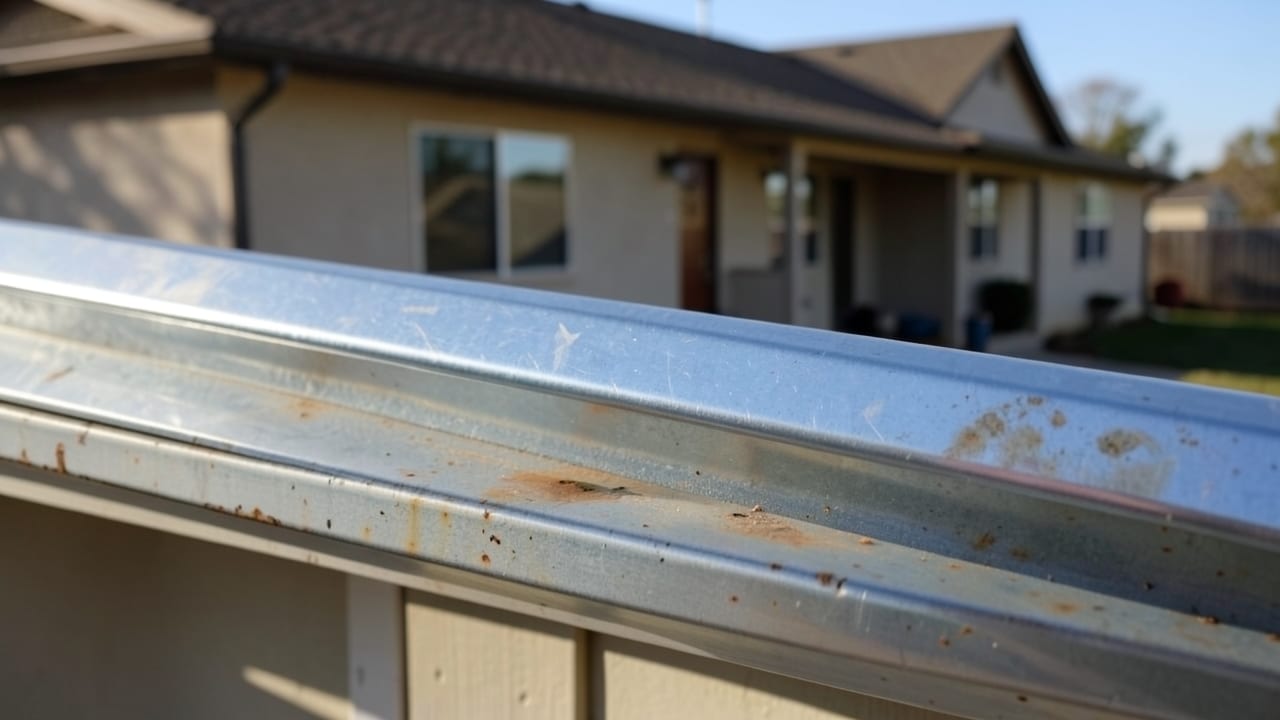
Rusted Gutter Section Replacement in Clayton, NC
Replacing damaged or rusted gutter sections to restore proper drainage and prevent water damage.
Learn More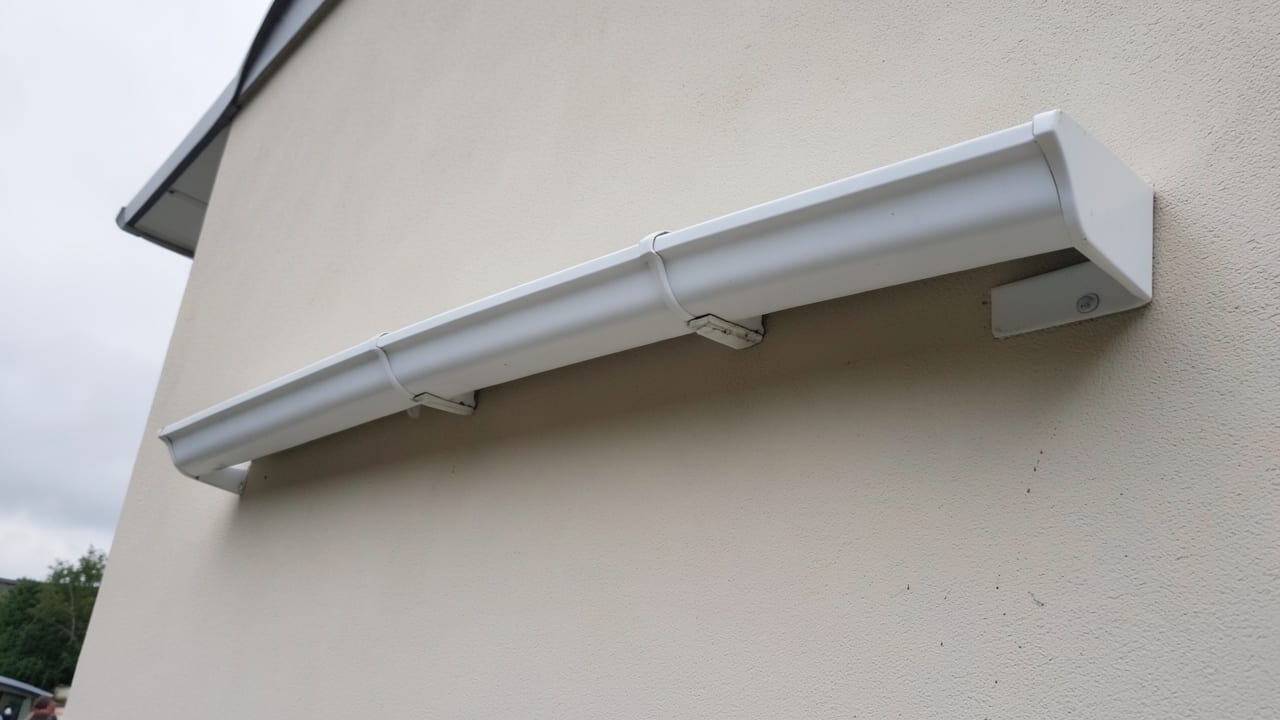
Moldy Gutter Sanitization in Clayton, NC
Removal of mold, mildew, and debris from gutters to restore proper water flow.
Learn More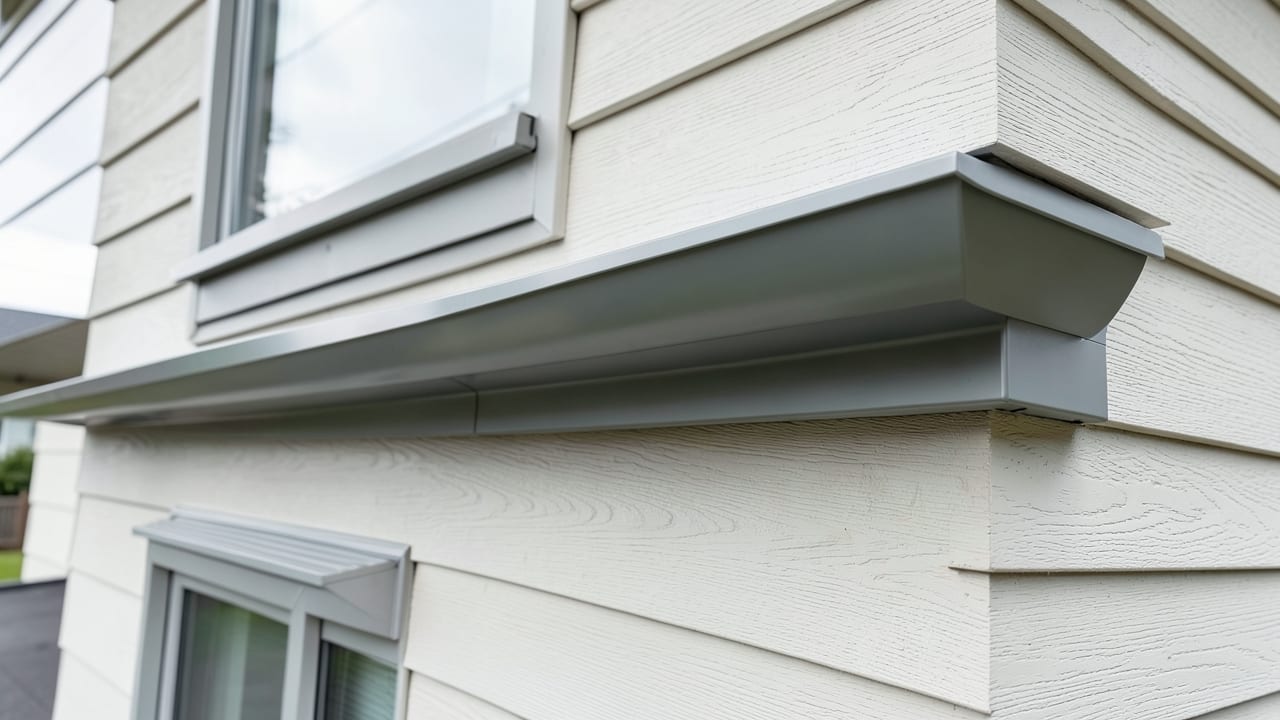
Hard Water Stain Gutter Cleaning in Clayton, NC
Removal of hard water stains and mineral buildup from gutters to restore appearance and function.
Learn More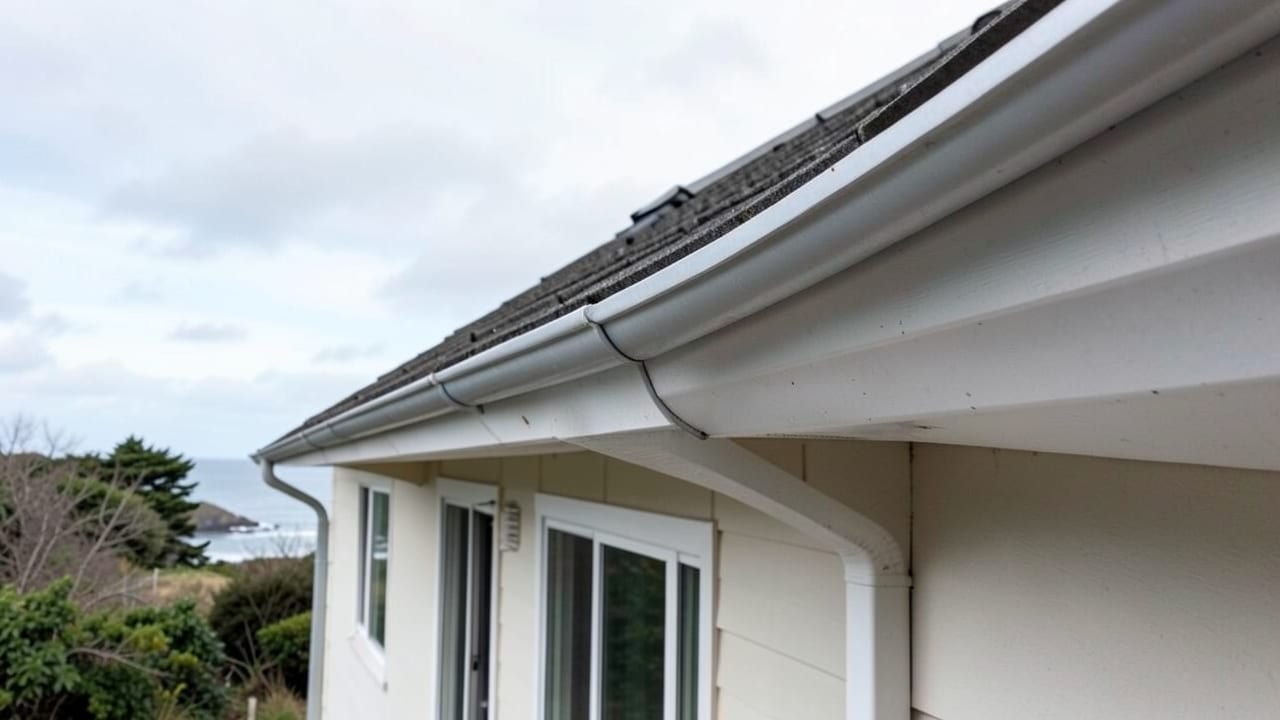
Salt Corrosion Gutter Treatment in Clayton, NC
Application of protective treatments to gutters to prevent salt-induced corrosion in coastal or high-salt areas.
Learn MoreCommon Questions About Gutter Cleaning in Clayton
Everything you need to know about gutter cleaning services in Clayton
How much does Gutter Heating System Installation typically cost in Clayton, NC?
Should gutters in Clayton, NC be checked after a hailstorm?
What actually happens if gutter cleaning gets skipped for a season?
Is cleaning gutters a reasonable DIY project?
Does a standard gutter cleaning include the downspouts, or just the troughs?
Why do two-story homes typically cost more for gutter cleaning than one-story homes?
Need Gutter Cleaning in Clayton?
Get a written quote from our Clayton crew.
⏰ We answer your call • Serving all of Clayton and surrounding areas