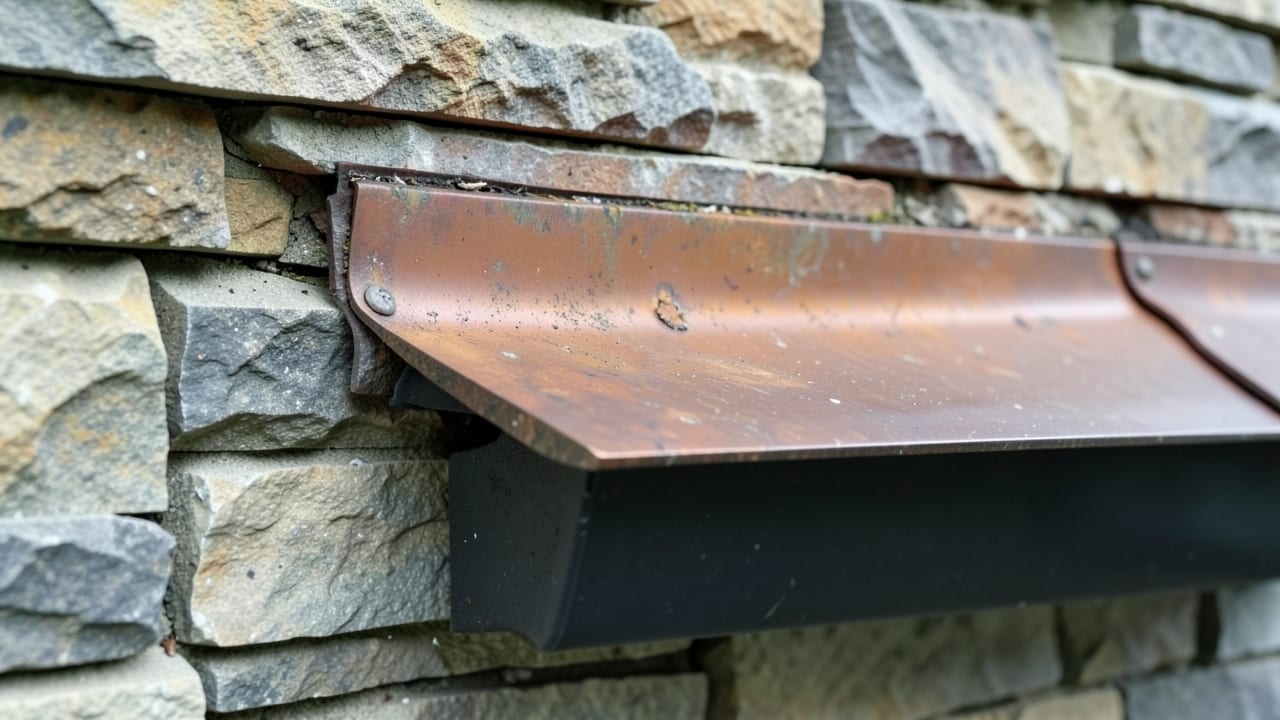
Stone Veneer Gutter Flashing
Installing or repairing stone veneer gutter flashing to prevent water damage behind siding.
Stone veneer gutter flashing in Clayton, NC, protects homes with exterior stone siding by directing water into gutters, preventing moisture damage to walls and foundations. This critical installation or repair ensures proper drainage where the roof meets stone veneer, using durable metal or synthetic materials to maintain structural integrity and avoid costly water intrusion issues.
Why stone veneer gutter flashing matters
Stone veneer homes in Clayton’s humid climate face unique risks: water trapped behind flashing can seep into walls, causing rot, mold, or even foundation shifts. Unlike standard gutters, stone veneer flashing requires precise installation to bridge the gap between the roof and stone, ensuring water flows *into* the gutter—not behind it.
We also handle Gutter Cleaning and Gutter Guard Installation for Clayton properties.
Ignoring flashing issues leads to hidden damage. For example, rust holes in flashing or sagging gutters aren’t just cosmetic—they signal failing seals or hangers. A single loose hanger can pull an entire gutter section away, turning a small repair into a full rehang job.
Signs Your Stone Veneer Flashing Needs Attention
- Water stains or dampness on the stone veneer *after* a rainstorm (indicates flashing failure).
- Gutters overflowing at the top *even when clear*—suggests undersized downspouts or wrong pitch direction.
- Visible gaps or rust holes in flashing, or sections pulling away from the fascia board.
- Debris buildup *consistently* in the same spots (may signal improper pitch or clogged downspouts).
- Soft, spongy fascia boards (sign of chronic water exposure from poor flashing).
What affects pricing and timing?
Pricing for stone veneer gutter flashing in Clayton varies based on roof complexity, material choice (aluminum vs. synthetic), and whether repairs or full replacement is needed. Multi-story homes or steep roofs add labor time and safety equipment costs, while existing damage may require additional prep work (e.g., fascia repair).
Timing depends on accessibility—removing damaged sections or measuring for custom cuts can take longer than standard gutter work. Severe rust or rot may expose structural issues, delaying completion until underlying problems (like fascia replacement) are addressed.
Avoiding common mistakes
DIY flashing repairs often fail because hangers are fastened *only* into the thin fascia trim—not the solid framing behind it. This leads to sections pulling loose under heavy rain or ice. Similarly, skipping pitch adjustments leaves standing water in gutters, accelerating rust and sealant failure.
Undersized downspouts are another frequent oversight. A downspout sized for a small roof can’t handle water from a larger area after an addition or extension, causing overflows that erode landscaping or damage foundations. Always verify downspout capacity matches the roof’s drainage needs.
| Mistake | Risk | Solution |
|---|---|---|
| Fastening hangers into fascia trim only | Sections pull loose under load | Use construction screws into rafter tails |
| Ignoring gutter pitch (level instead of sloped) | Standing water → rust/seam failure | Set ¼" drop per 10 ft toward downspout |
| Using general caulk for seams | Sealant fails in 1–2 years | Use gutter-specific sealant (lasts 5+ years) |
| Skipping downspout capacity check | Overflow during storms | Size downspouts for *current* roof area |
How stone veneer gutter flashing is installed
Installation begins with a thorough inspection to assess existing damage or layout needs.
- 1Inspect and Measure
The existing flashing and gutter system are checked for pitch, hanger spacing, and fascia condition. Roof run length, corners, and downspout placement are measured to determine material cuts and custom sections needed.
- 2Remove Damaged Sections
Any rusted, sagging, or improperly sealed flashing is removed. Fascia boards with rot or water damage are repaired or replaced before new flashing is installed to ensure a solid base.
- 3Install Hangers and Flashing
New hangers are spaced every 18–24" (closer in snowy areas) and fastened into framing, not trim. Flashing is positioned to create a watertight seal between the roof and stone veneer, using metal or synthetic materials designed for durability.
- 4Set Pitch and Seal Connections
The gutter is adjusted to a ¼" slope per 10 ft toward downspouts. Seams and downspout connections are sealed with gutter-specific sealant, and the system is tested with water to confirm proper drainage before cleanup.
- 5Final Inspection
The flashing and gutters are inspected for gaps, loose hangers, or improper pitch. Downspouts are checked for clogs or overflow risks, and debris is hauled away to complete the job.
Frequently asked questions
How do I know if my stone veneer flashing is failing?
Look for water stains on the stone after rain, rust holes in the flashing, or gutters pulling away from the fascia. If you see standing water in the trough or overflows during storms, the pitch or downspout size may be incorrect.
Can stone veneer flashing be repaired, or does it always need replacement?
Minor rust spots can be patched, but holes or sagging sections usually require replacement. If the flashing is pulling away from the stone or fascia, the entire system may need rehanging to prevent water intrusion.
Will my insurance cover flashing damage from a storm?
Insurance may cover damage if it’s classified as sudden and accidental (e.g., storm-related). Document the damage with photos and check your policy for exclusions—some plans exclude routine maintenance or pre-existing issues.
How often should stone veneer flashing be inspected?
Inspect flashing at least twice a year (spring and fall) and after severe storms. Sealant and hangers degrade over time, so catching issues early—like a hairline seam gap—prevents costly water damage later.
Where Clayton sits, and what the Census lists nearby
Clayton sits in North Carolina, and the closest places listed in the U.S. Census Gazetteer are Archer Lodge (4.6 miles east), Wilson's Mills (6.8 miles southeast), Wendell (8.9 miles northeast), Knightdale (9.7 miles north). Within 25 miles of Clayton the same source lists 29 distinct incorporated places and census-designated places. Those figures matter for stone veneer gutter flashing because they are straight-line distances between Census coordinate points: road mileage between Clayton and Archer Lodge runs longer than the 4.6 miles shown, which is why quotes for the same job differ between towns that look close together on a map. Source: U.S. Census Bureau Gazetteer.
See Bunn, NC for more, or take a look at how our Clayton crew can help step by step for our complete lineup.
Ready to get started?
Talk to a local gutter cleaning pro in Clayton — get a written quote.
Other Gutter Cleaning Services in Clayton

Gutter Cleaning in Clayton, NC
Whole-system gutter cleaning in Clayton, NC — clears storm overflow and washout from every run and downspout so water is carried away from the roof and foundation, not into them.
Learn More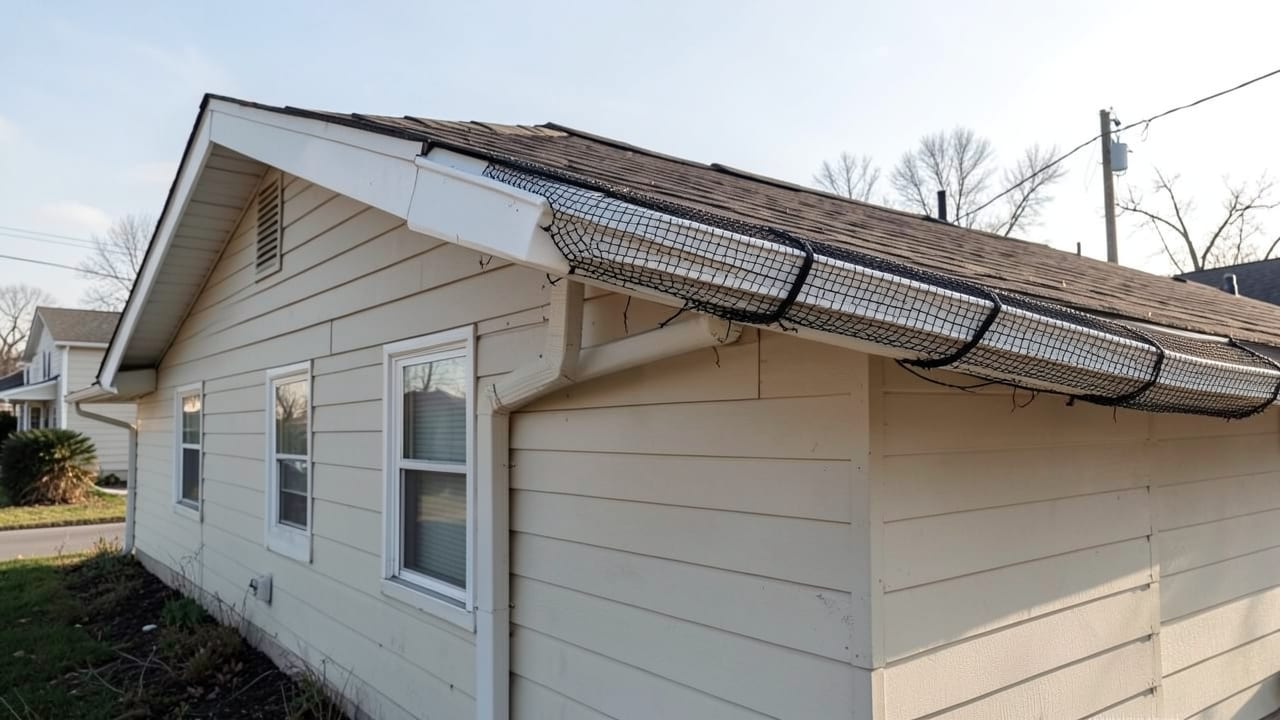
Gutter Guard Installation in Clayton, NC
Gutter guard installation in Clayton, NC reduces how often gutters need clearing by keeping storm overflow and washout out of the trough in the first place.
Learn More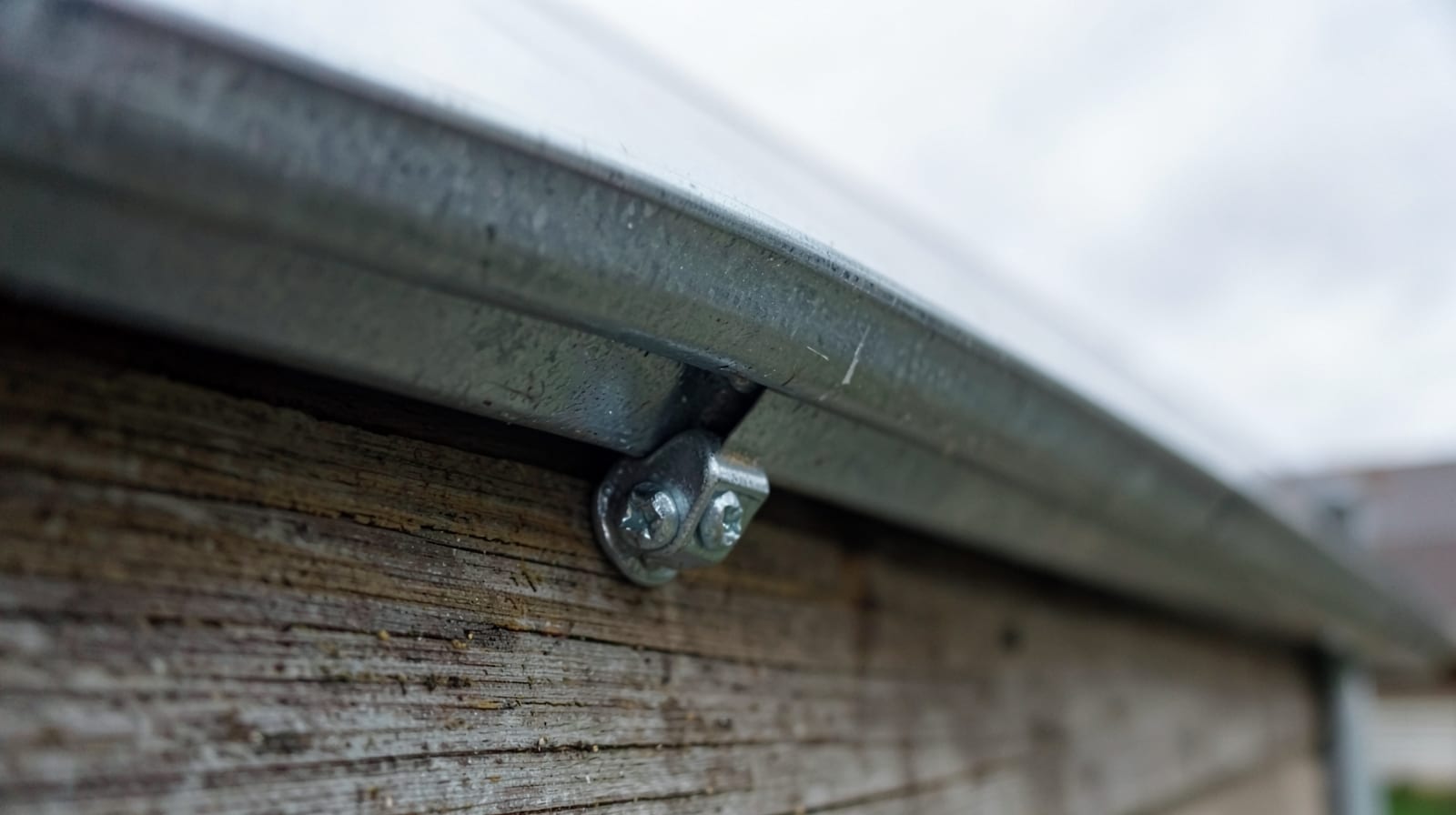
Gutter Repair in Clayton, NC
Gutter repair in Clayton, NC for sagging sections, loose fasteners, seam leaks, and gutters pulling away from the fascia.
Learn More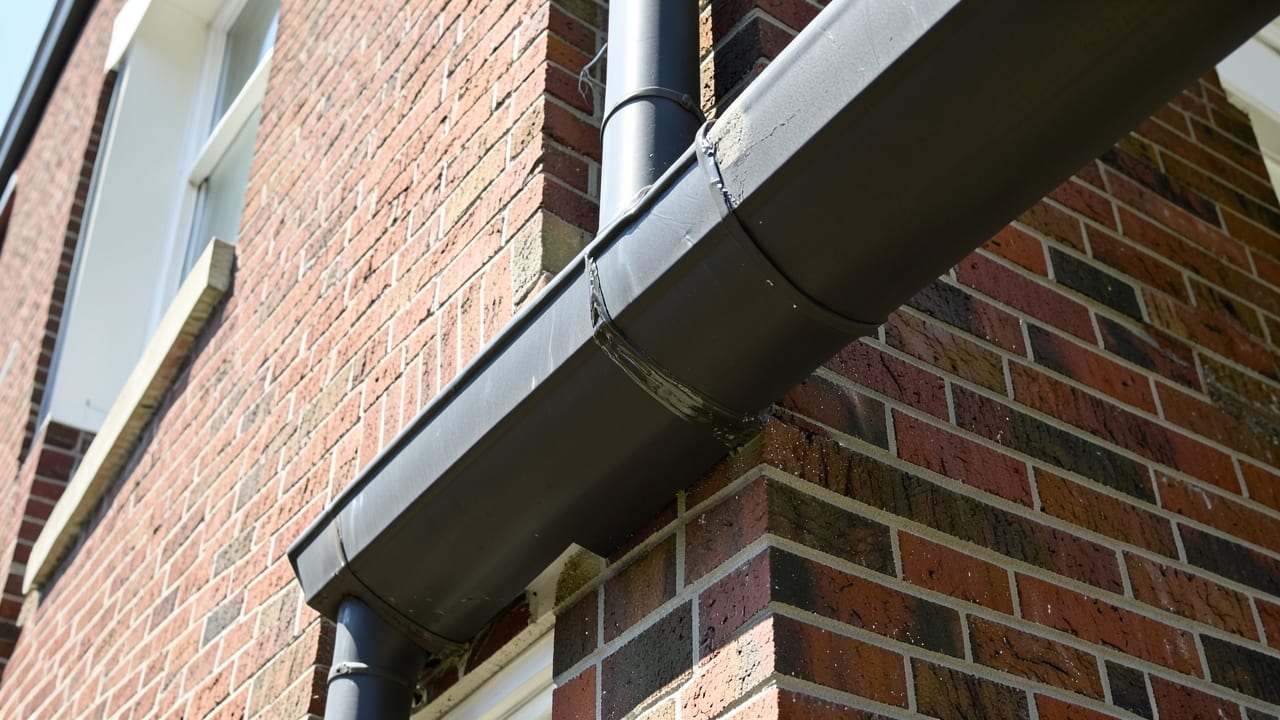
Downspout Cleaning & Repair in Clayton, NC
Downspout cleaning and repair in Clayton, NC clears internal clogs and fixes disconnected or misdirected downspouts that dump water at the foundation.
Learn More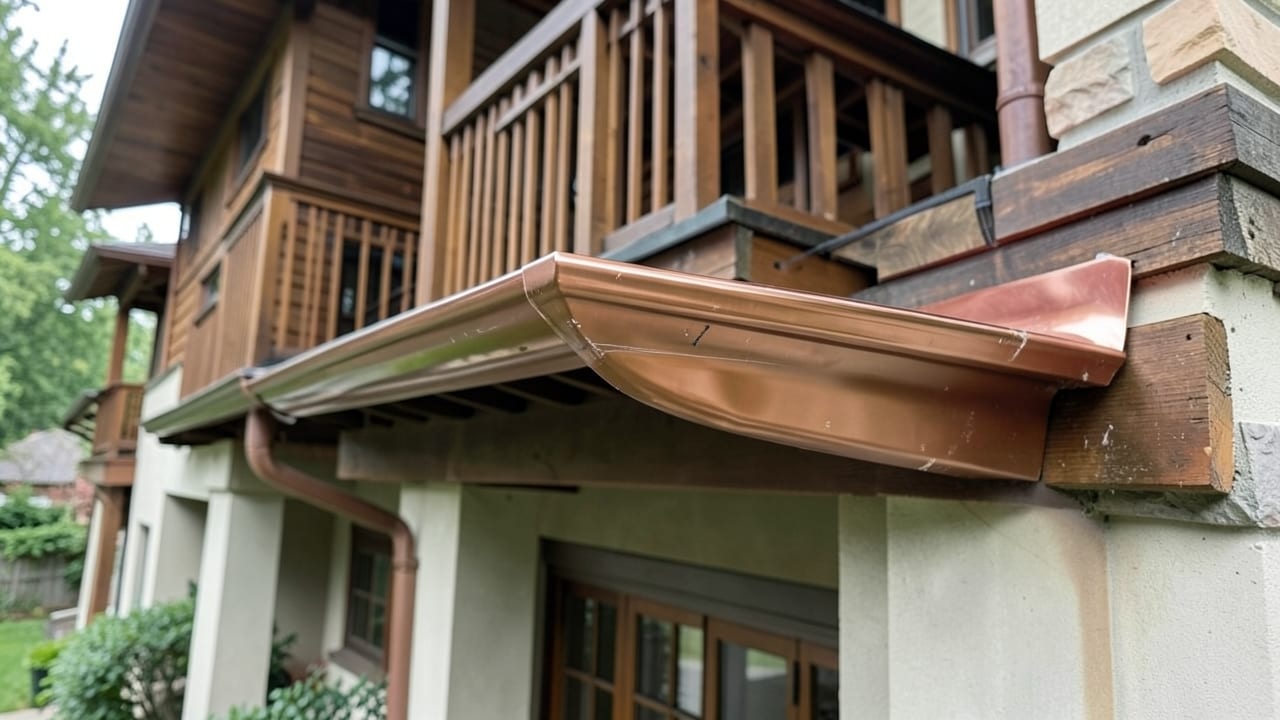
Gutter Resealing & Resloping in Clayton, NC
Gutter resealing and resloping in Clayton, NC fixes leaking seams and standing water caused by a gutter that has lost its pitch toward the downspout.
Learn More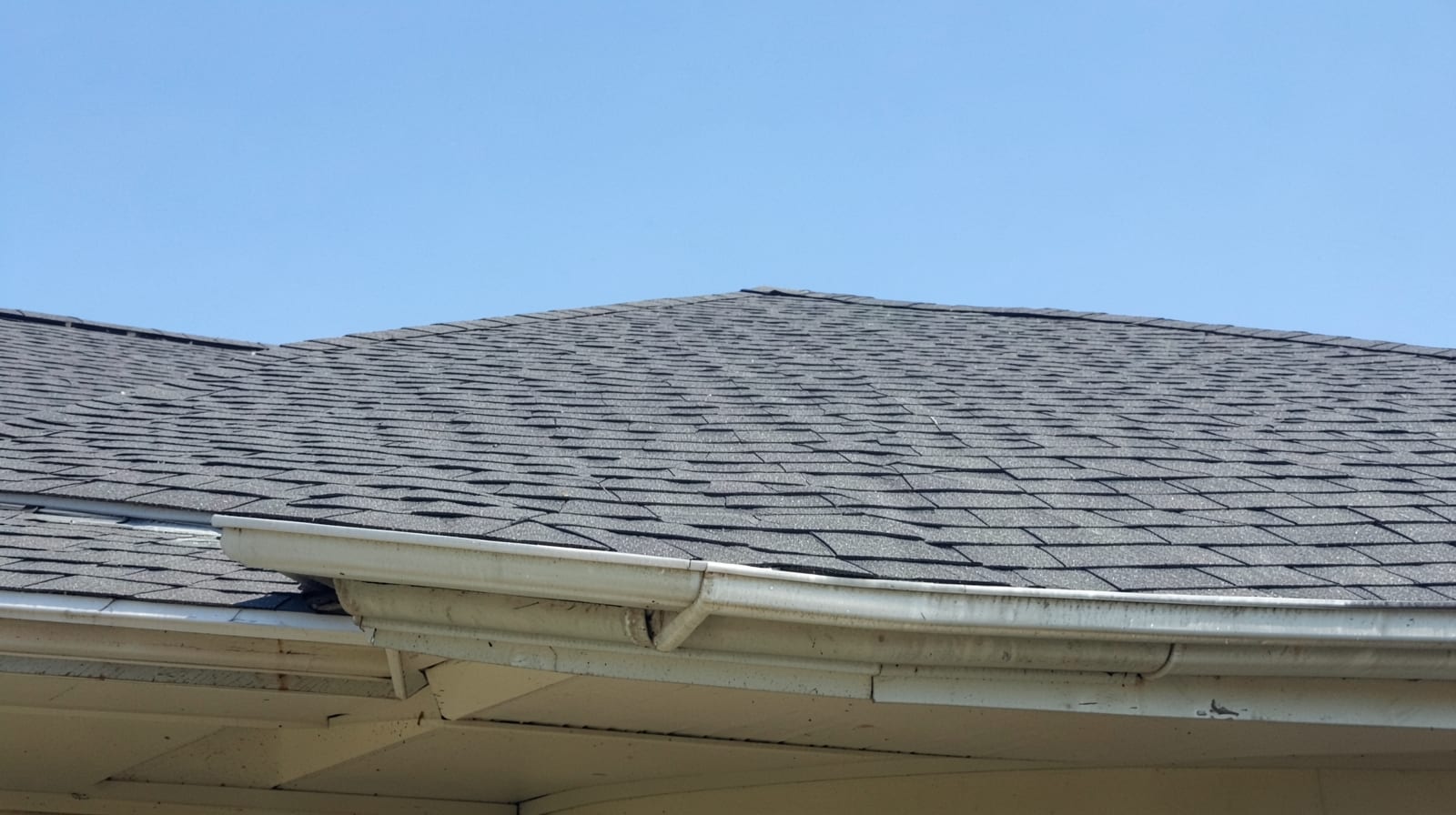
Roof & Gutter Inspection in Clayton, NC
Roof and gutter inspection in Clayton, NC checks drainage, fastener condition, and roof-edge flashing before small issues become water damage.
Learn MoreCommon Questions About Gutter Cleaning in Clayton
Everything you need to know about gutter cleaning services in Clayton
How much does Stone Veneer Gutter Flashing typically cost in Clayton, NC?
Should gutters in Clayton, NC be checked after a hailstorm?
Can gutters be cleaned safely from the roof instead of a ladder?
Can standing water in clogged gutters attract pests?
How often do gutters actually need to be cleaned?
Do gutter guards eliminate the need for cleaning?
Need Gutter Cleaning in Clayton?
Get a written quote from our Clayton crew.
⏰ We answer your call • Serving all of Clayton and surrounding areas